
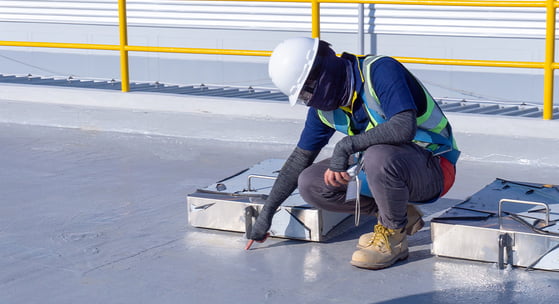
Your roof works every day to protect your commercial building from rain, wind, snow, heat and everything in between. Because it does its job quietly, it is easy to forget about it—until there is a problem.
Routine roof inspections are one of the most effective ways to avoid unexpected repairs and extend the life of your roofing system. So how often should you actually schedule one?
Once a Year Is the Standard Recommendation
For most properties, a professional roof inspection once per year is a smart starting point.
The most practical times are typically spring and fall. A spring inspection helps identify any issues caused by winter weather, such as ice damage, loose materials or drainage concerns. A fall inspection ensures your roof is ready before colder temperatures and heavy snowfall arrive.
Even if your roof appears to be in good condition, small concerns can develop over time. Minor seam separations, cracked sealants, clogged gutters or subtle membrane wear are not always noticeable from the ground. Annual inspections allow those issues to be corrected before they lead to leaks or interior damage.
After Major Storms, Don’t Wait
Weather events can accelerate roof damage quickly.
Strong winds may lift shingles or stress flashing. Hail can create impact damage that weakens roofing materials. Heavy rainfall can expose vulnerabilities around penetrations, drains or rooftop equipment. In commercial flat roofing systems, storm debris can also block drainage, increasing the risk of ponding water.
If your property experiences severe weather, it is wise to schedule an inspection soon afterward. Many types of damage are not obvious without a close evaluation. Addressing storm-related concerns early can prevent larger structural problems and reduce repair costs.
If You See Signs Inside, Act Quickly
Your roof and your building’s interior are closely connected. When something goes wrong overhead, you often see signs inside first.
Water stains on ceilings, peeling paint, damp insulation, unusual odors or sagging areas are all indicators that your roof may need immediate attention. These issues rarely resolve on their own and can worsen over time.
Prompt inspection and repair not only protect the roof itself but also prevent damage to drywall, insulation, equipment and contents inside the building.
Roof Age Matters
The older your roof becomes, the more attention it typically requires.
While many roofing systems are designed to last two to three decades, aging materials are more susceptible to wear, weather exposure and gradual breakdown. If your roof is over ten years old, increasing the frequency of inspections can be a proactive step.
In some cases, twice-yearly evaluations provide valuable insight into how the system is aging and allow for planned maintenance instead of reactive repairs.
Why Routine Inspections Are Worth It
Regular inspections are about more than just spotting damage. They help you:
-
Identify minor issues before they become expensive repairs
-
Maximize the lifespan of your roofing system
-
Maintain warranty compliance when applicable
-
Budget for future maintenance or replacement
-
Protect the overall value of your property
For commercial buildings especially, documented inspections can also support asset management and long-term capital planning.
Stay Ahead of Roofing Problems
Your roof is a major investment. A simple inspection schedule—once a year, after significant storms and anytime warning signs appear—can go a long way toward protecting that investment.
If you are unsure when your roof was last evaluated, now is a good time to have it professionally assessed. Roberts Roofing Company is here to help you stay proactive and keep your roof performing the way it should.
Investing in smart maintenance today can save you from costly surprises tomorrow. Contact Roberts Roofing online or call us at 440-946-2233 to discuss evaluating your commercial roof for signs of potential leaks.